At Threshold Farm, we’re working to become Purbeck’s first regenerative farm and community food hub.
Our Mission
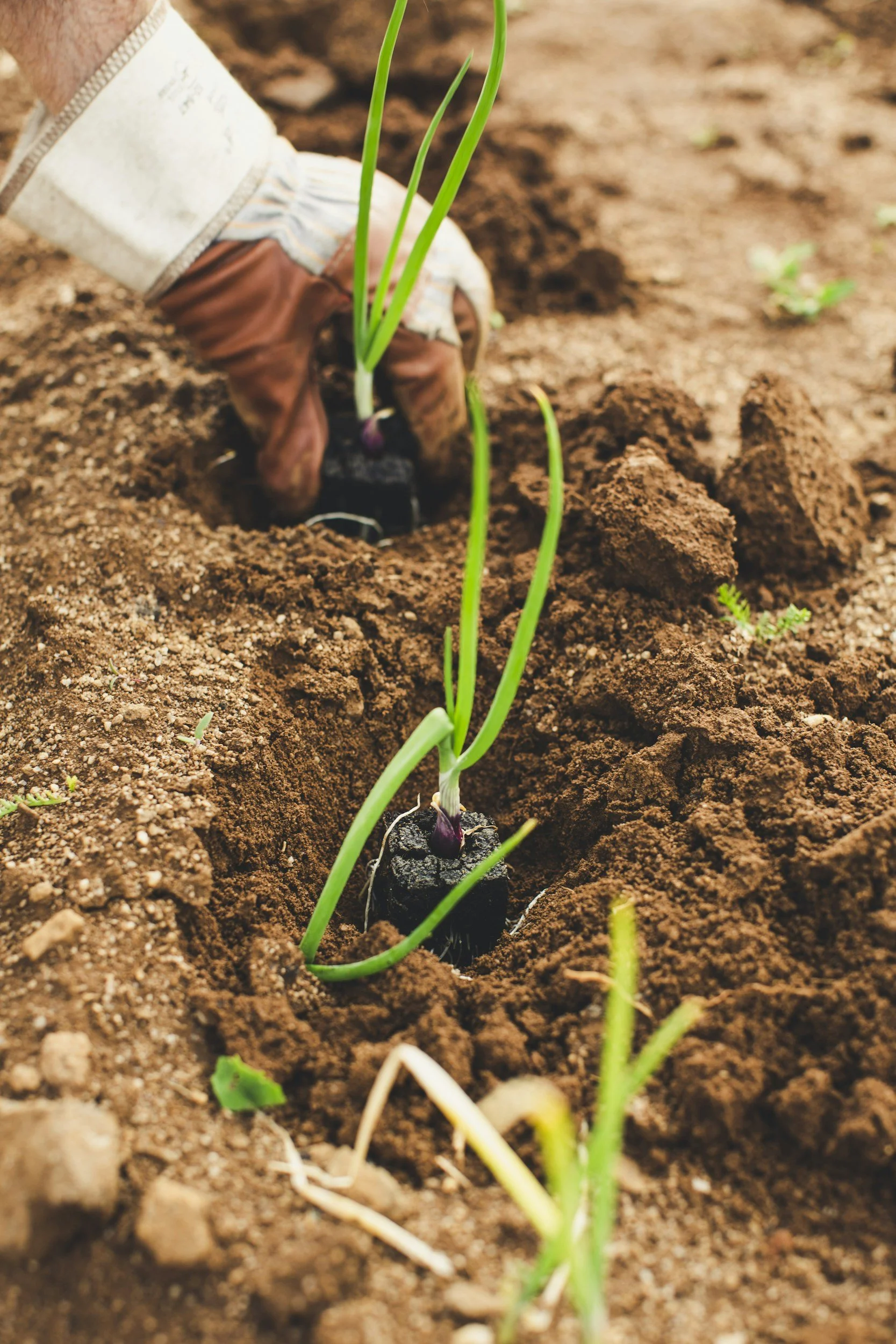
Regenerative farming is a holistic approach to food production, which focuses on restoring and enhancing the land rather than depleting it. By prioritizing soil health, biodiversity, and the water cycle, it works with natural ecosystems to capture carbon, combat climate change, and improve food resilience.
What is regenerative farming?
Our food system isn’t working
Globally, 95% of all our food is grown in the uppermost layers of soil, otherwise known as topsoil. As a result of conventional farming practices, which leave soils exposed, overexploited and prone to erosion, the planet has lost half of its topsoil in the last 150 years. In the UK, this figure sits at over 85%.
Nitrogen surpluses from intensive fertiliser use, affecting 22% of European soils, increase leaching and eutrophication - a form of pollution which eventually leads to hypoxic ‘dead zones’ in our waterways, in which no aquatic life can survive.
Deforestation, overgrazing and excessive agrochemical use are accelerating soil erosion. The UN has projected that, unless we radically change our approach to farming, we could have only 60 years of harvests left.
Soil
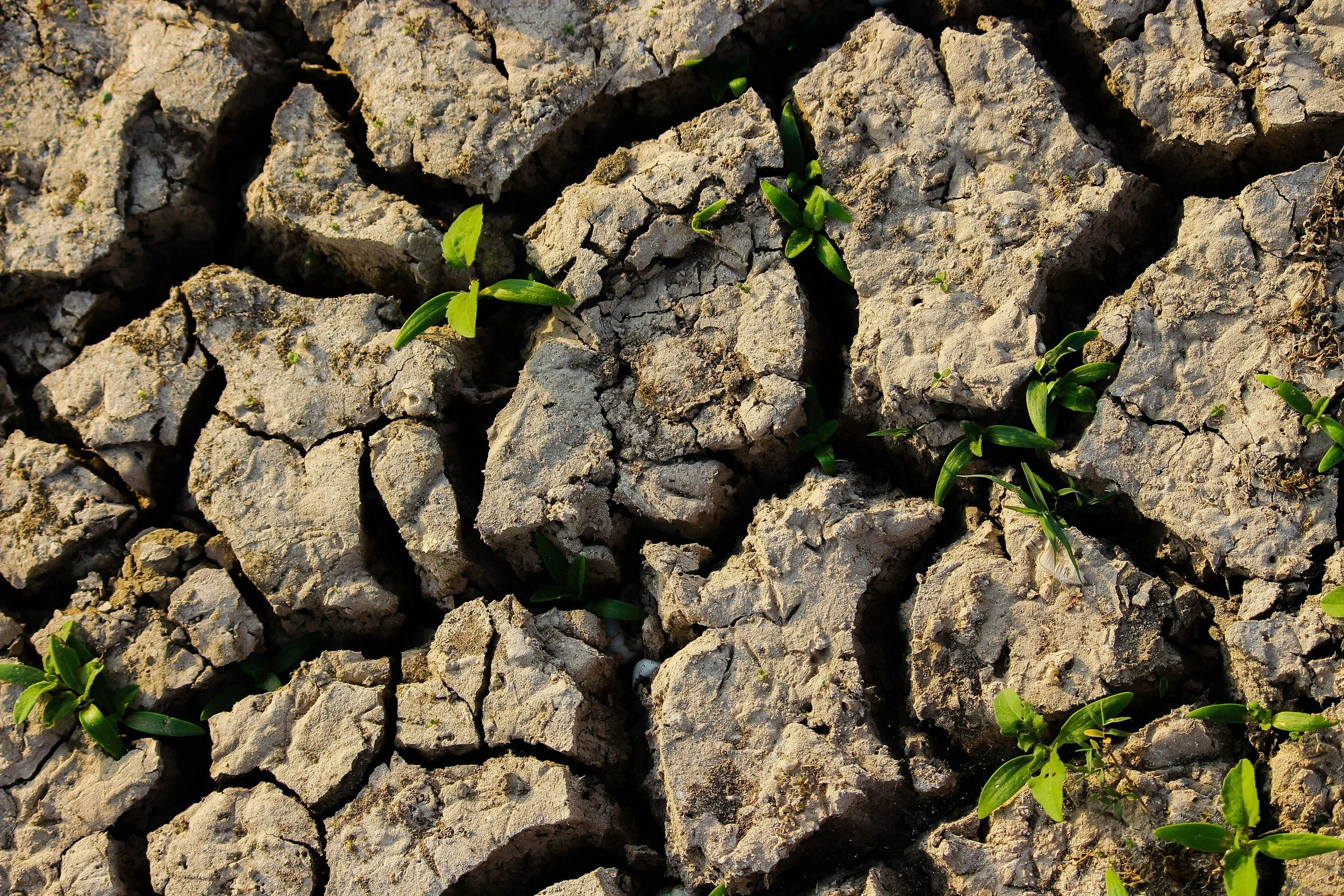
Increasing temperatures and climate instability are affecting food security in innumerable ways.
Currently, 31% of European land is moderately or highly susceptible to desertification, while global drought frequency is up by 29% since 2000. Already, half a million hectares are burned in wildfires every year in Europe, however by 2050, this figure is set to increase by 30% - 50% by the end of the century. In key ‘bread basket’ growing zones, drought shocks could become 7-11 times more likely. Meanwhile, as we’ve experienced here in Dorset, heavy rainfall events are becoming more frequent, resulting in floods which not only jeopardise crops, but endanger communities.
Between these factors, and additional pest pressures, yields of staple crops are expected to drop over 6% for every degree of global warming. The IPCC and other key organisations have stressed the urgent need for food systems to adapt to climate change.
Climate Change


“Land degradation in the EU is caused largely by intensive agriculture, which degrades soils through erosion, salinisation, and compaction. Overexploitation of water resources, depletion of the groundwater table, and reduction of water quality due to excessive fertiliser use are other factors that contribute to desertification. The increasing risk of heatwaves and wildfires also play a role.”
According to DEFRA, 55% of vegetables and only 17% of the fresh fruit we consume in the UK, is grown in the UK. Meanwhile, only 0.6% of all our available land is used to grow fruit and vegetables.
We’re currently importing 43% of all the food we eat - though this fails to consider the high seasonal variability of British food supply and our lack of domestic storage.
The reduction of Europe’s viable agricultural land, as a result of drought and desertification, alongside supply chain disruptions (wars in Ukraine and Iran, and the COVID19 pandemic are salient examples), and inflation, are set to hike prices by upwards of 170% by 2050, under a high-emissions scenario. The UK’s reliance on foreign imports leaves us particularly vulnerable.
Supply Chains

The NHS currently spends over half its budget treating preventable, lifestyle-related illnesses, and food is an inseparable part of this picture.
Currently, dietary factors contribute to 1 in 7 deaths, and around two thirds of adults are overweight or obese. The UK has Europe’s highest consumption of ultra processed foods (UPFs), accounting for over 50% of daily caloric intake (65% in children).
Deprivation exacerbates all adverse health outcomes, in part due to unequal access to nutrient-dense, affordable food and time poverty. The poorest fifth of UK households would need to spend around half of their disposable income to afford a diet that meets nutritional guidelines, compared with around one-tenth for the wealthiest fifth.
Health


Out if 30,000 edible plant species, 75% of our diet is comprised of only 12 crops. Dietary diversity and fibre intake are among the strongest predictors of gut microbiome diversity. A more diverse gut microbiome is generally associated with better health outcomes, as beneficial microbes produce compounds important for immune function, metabolic health and protection against chronic disease.
A growing proportion of the UK population now reports feeling lonely always or often - now around 1 in 5. The health impact of chronic loneliness is frequently cited as comparable to smoking around 15 cigarettes per day.